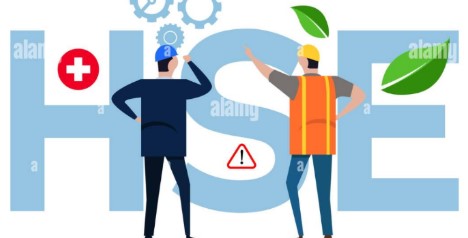
Building a Safer and Healthier Workplace

Why HSE is Essential for Your Business: Protecting People, the Planet, and Your Bottom Line
When running a successful organization, Health, Safety, and Environment (HSE) should never be an afterthought. Whether you’re managing a construction site, factory floor, or office building, a strong HSE strategy is crucial for protecting your team, reducing costs, and ensuring that your business runs smoothly.
However, HSE is much more than just compliance with regulations. It’s about creating a safety culture—one where every employee, from top management to workers on the ground, takes responsibility for their own well-being and the health of the environment around them.
An effective HSE system not only reduces risks and prevents incidents, but also builds employee morale, improves productivity, and enhances your business reputation. The good news is that integrating HSE into your operations is simpler than you might think—and the benefits far outweigh the costs.
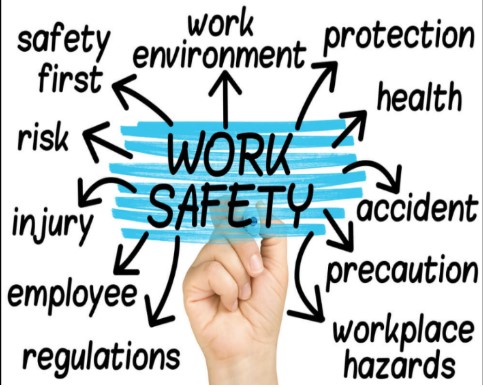
What Is HSE?
HSE stands for Health, Safety, and Environment, and it refers to the policies, procedures, and practices designed to ensure the well-being of workers, protect the environment, and comply with legal requirements.
The core pillars of HSE include:
1. Risk Assessment and Hazard Identification
Identifying workplace hazards is the first step in reducing risks. Whether it’s unsafe machinery, exposure to chemicals, or environmental dangers, recognizing these risks early allows for preventive measures.
2. Occupational Health and Mental Well-being
HSE is not just about physical safety; it’s also about supporting mental health. Reducing stress, preventing burnout, and offering support for workers’ mental well-being are just as important as physical safety protocols.
3. Incident Reporting and Emergency Preparedness
Creating a system for reporting incidents, near-misses, and unsafe practices helps organizations respond quickly and minimize harm. Having emergency preparedness plans ensures employees are well-prepared for any accidents or natural disasters.
4. Environmental Protection
HSE also involves protecting the environment—reducing waste, managing hazardous substances, and adopting energy-saving practices. This not only protects the planet but also improves your company’s reputation with customers and regulators.
5. Compliance with ISO Standards
Compliance with recognized international standards like ISO 45001 (for occupational health and safety) and ISO 14001 (for environmental management) helps ensure your organization follows best practices for health, safety, and environmental sustainability.
Why HSE Is Important for Your Business
HSE is not just a legal obligation—it is a core business function that drives operational success. Here are some reasons why HSE matters:
1. Minimize Incidents and Idle Time
Workplace accidents and injuries can halt productivity and result in significant downtime. By investing in HSE programs, you reduce incidents, ensuring that workers stay safe and focused on their tasks, which minimizes disruption and enhances productivity.
2. Enhance Staff Enthusiasm and Involvement
When employees see that their well-being is a priority, they feel valued and are more likely to be engaged in their work. This can lead to higher job satisfaction, improved morale, and increased retention rates.
3. Reduced Expenses for Insurance and Legal Matters
A strong safety culture lowers the number of workplace injuries, which in turn reduces insurance premiums and legal costs. A well-implemented HSE system helps prevent accidents, thereby minimizing compensation claims, lawsuits, and other associated expenses.
4. Enhance Your Standing with Clients and Regulators
Demonstrating a commitment to safety and the environment builds client trust. In regulated industries, complying with HSE standards is critical for avoiding fines and ensuring that you meet legal obligations. A robust HSE system can also open doors to new opportunities with clients who value sustainability and safety.
Steps to Improve HSE in Your Workplace
Improving HSE in your organization isn’t a one-time event—it’s an ongoing process that involves continuous improvement. Here’s how to get started:
1. Start with a Safety Audit
Conduct a thorough audit of your current workplace safety protocols to identify hazards and compliance gaps. Involve your team in the process—workers on the ground often spot potential issues more quickly than management.
2. Develop a Clear HSE Policy
A written HSE policy sets out your safety goals, outlines roles and responsibilities, and defines how your organization will meet safety standards. Clear communication of this policy to all employees ensures they know what is expected of them.
3. Train Your Team
Ongoing training is key to ensuring that all employees are equipped with the knowledge to work safely. Provide training on PPE use, emergency procedures, and hazard recognition. Regular safety drills and toolbox talks reinforce best practices.
4. Track Your Progress
Use safety KPIs (Key Performance Indicators) like near-miss reports, incident rates, and safety inspections to measure the effectiveness of your HSE system. These metrics allow you to identify areas for improvement and ensure continuous progress.
5. Celebrate Wins
Recognizing milestones such as zero accidents for a period of time or completing a safety training program fosters a culture of recognition. Celebrate these wins with your team to reinforce positive behaviors and keep safety top of mind.
HSE Is About People, Not Just Paperwork
The heart of an effective HSE system is the people who work in your organization. It’s about not only safeguarding physical health but also protecting mental health, stress management, and ensuring a healthy work-life balance.
By prioritizing employee well-being, you increase productivity, reduce absenteeism, and improve morale. Furthermore, remember that the “E” in HSE is just as crucial—responsible waste management, energy-saving practices, and eco-friendly policies show your commitment to sustainability and environmental protection.
Conclusion
HSE is not a checklist—it’s a mindset and a culture that every member of the organization must embrace. A strong HSE system does more than just reduce workplace incidents; it creates a safe, healthy, and productive work environment.
When integrated properly, HSE improves both employee health and the bottom line. By focusing on safety, health, and environmental protection, businesses can ensure compliance, reduce costs, and build trust with clients, regulators, and employees.
In the end, a successful HSE system is one that aligns with your organizational values, goals, and culture. It is about ensuring that every day, at every level, safety is a priority—because safety isn’t just a policy, it’s a way of working.